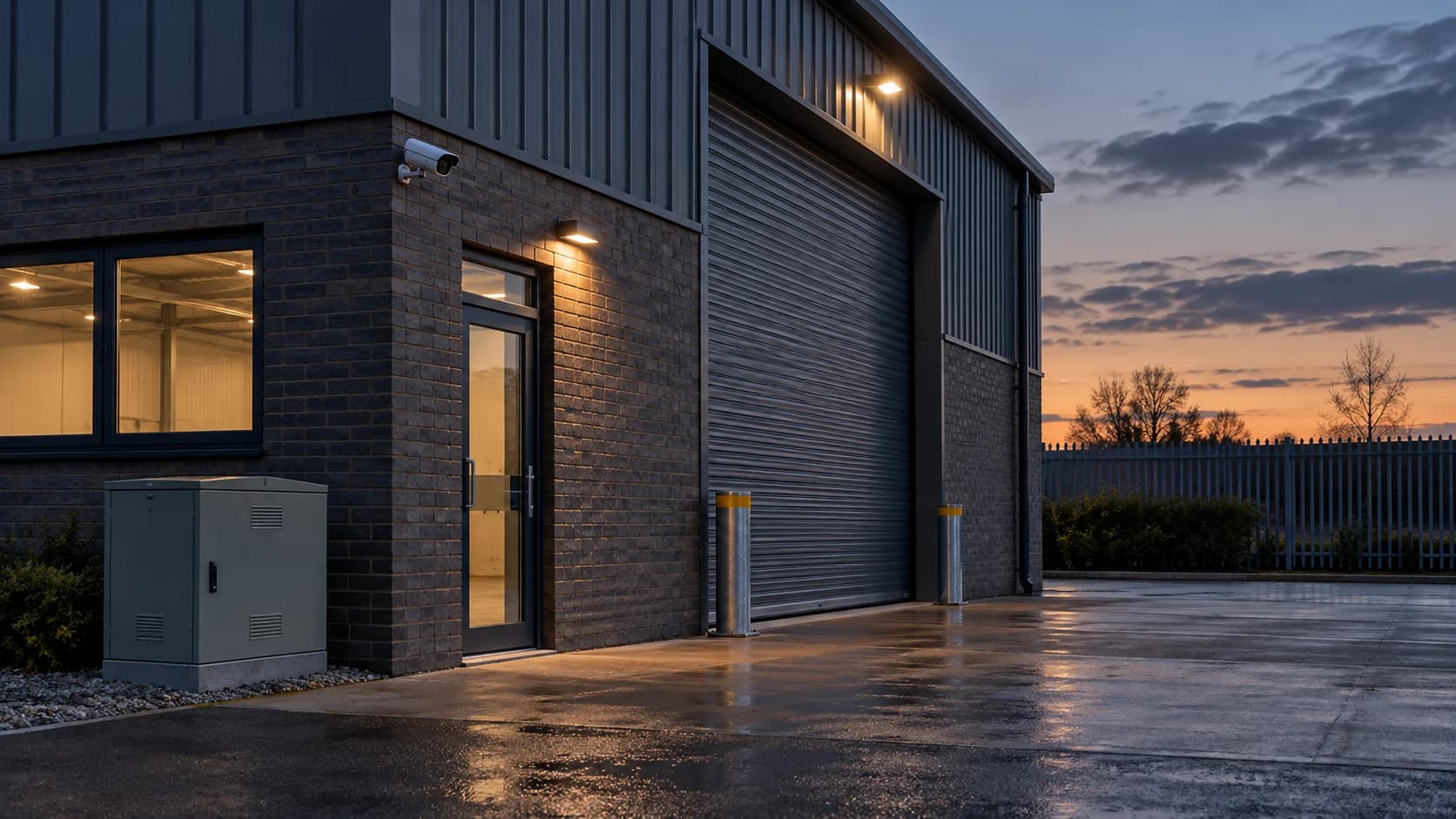
When a building becomes vacant, the utilities and people behind its camera system may leave with the tenant. Check those dependencies before treating the cameras as continuing cover.
The idea in view · Planning diagram
Ownership of cameras does not preserve every dependency
- Power owner
- Connection owner
- System owner
- Current contact
- Vacancy instructions
- Accepted monitoring
Verify continuing services
Ask who pays and maintains electricity, connectivity and the recording equipment after occupancy ends. Identify planned disconnections and how faults will be reported. Test remote access through the approved connection rather than assuming it survives the closure.
Define normal access
Record authorized inspections, maintenance visits and temporary works with an expiry or schedule. Identify the role that can verify an unexpected visit. Keep real access codes and personal contacts in restricted operational systems.
Confirm a response plan
Decide who receives verified incidents and who may safely attend under a separate arrangement. Document unsupported areas and intervals. Review the plan when contractors, property agents or utility arrangements change.
Plan for the period after the keys change hands
Identify who owns the equipment, accounts and continuing subscriptions. Check power and connectivity dates against the vacancy plan. A working final-day demonstration does not prove the system will remain connected after contracts terminate. Have the authorized parties test the intended continuing arrangement.
Write the normal inspection and maintenance context into the rulebook. Identify who can verify an unexpected visit and which attendance options have actually been arranged. Keep camera monitoring separate from insurance conditions and property-safety duties; those need their own professional review. Record unsupported rooms or routes rather than allowing a building-wide label to imply complete visibility.
Recheck the dependencies that leave with the tenant
When a property becomes vacant, internet, power, access and site knowledge can change. A camera system may have depended on the tenant's router, account or maintenance contract. Identify those dependencies before the handover rather than discovering them after the keys are returned. The property remaining physically intact does not establish that its monitoring path will continue.
Name the owner who can make decisions during vacancy. The former tenant's contact may no longer have authority or access, while the new property manager may not understand the camera system. Transfer the relevant records and responsibilities through the approved process. Do not keep a departing person's credentials or phone number as the permanent answer to an unresolved ownership question.
Reassess the operating purpose and normal activity
A vacant property may still have inspections, maintenance, viewings and authorized deliveries. Define the current schedule, routes and confirmation process. Avoid treating all activity as suspicious simply because ordinary occupancy ended. The reviewer needs current facts and a role authorized to clarify them.
Review the actual views, lighting and changing obstructions. Interior lights may be switched off, equipment removed or external areas used differently. A camera accepted during normal tenancy may no longer support the intended night task. Use safe authorized checks and identify the technical and operating work needed before reliance. Monitoring does not replace the property owner's separate inspection, maintenance or safety responsibilities.
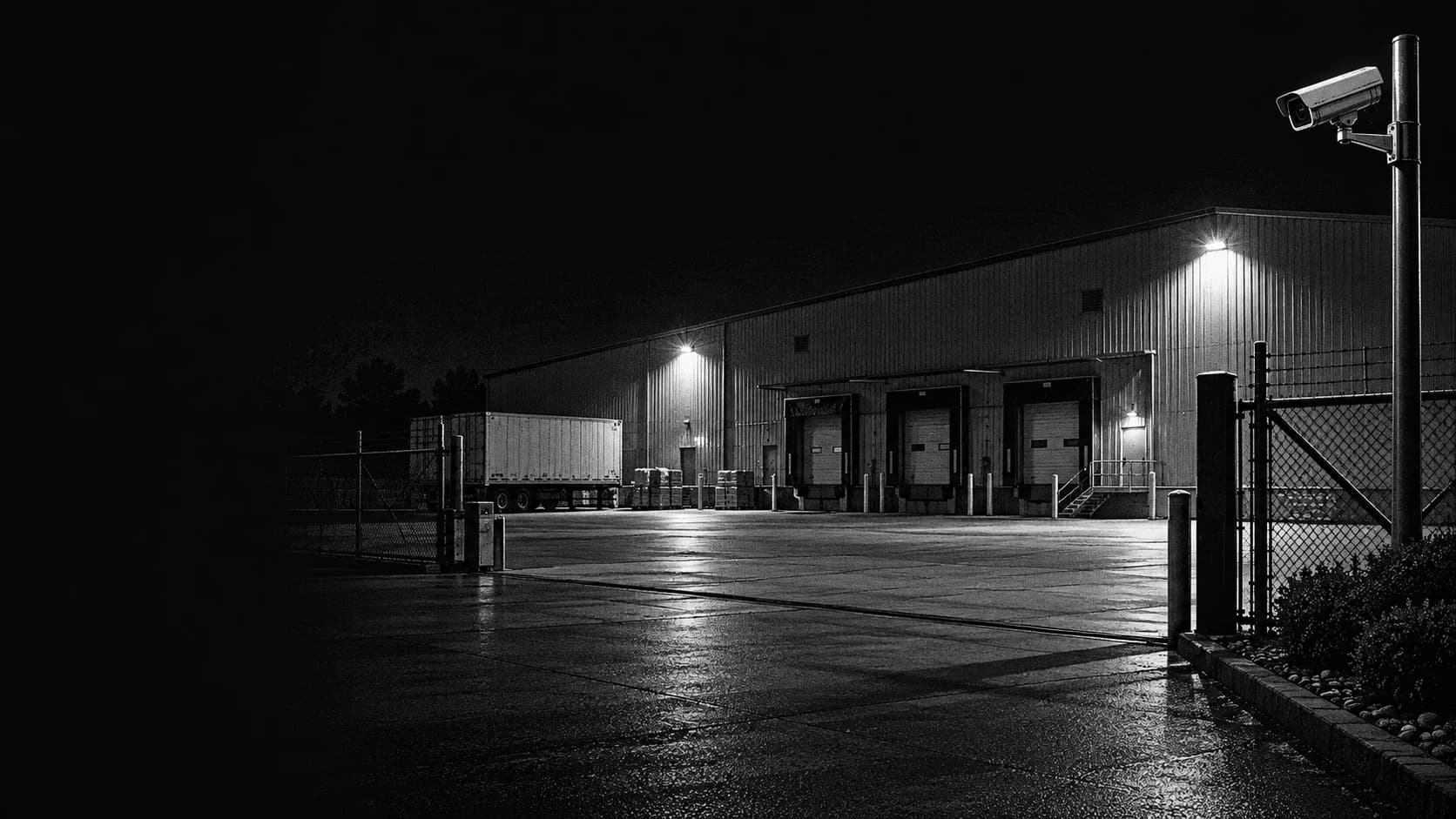
Plan access, faults and restoration
Confirm who owns and administers the cameras, recorder, connection and any remote service account. Remove obsolete access through the authorized process while preserving the legitimate remaining path. A blanket disconnection can interrupt needed work, while leaving all former access active can create a different problem. Use an access and data-flow review to decide the actual changes.
Define who receives a camera fault, who can arrange a repair and what temporary arrangement applies. A vacant site may not have someone present to notice an outage. Keep the health and outage process explicit, including relevant checks after utilities are interrupted or restored. The plan should state the accepted duty and its dependencies rather than imply that a vacant property is continuously covered regardless of connectivity or equipment state.
A fictional vacancy with a departing internet account
A tenant leaves a warehouse and plans to cancel its internet service. The cameras and recorder belong to the property owner, but remote access depends on that connection. The handover identifies the dependency before cancellation and assigns the property manager to decide the supported replacement arrangement with IT and the provider.
The team also replaces the tenant's response role and checks nighttime views with the new lighting schedule. Until the revised path and contacts pass the relevant tests, remote monitoring remains conditional. The worksheet records the transition and accepted status. This is more useful than assuming ownership of the cameras means the entire service automatically survives the tenancy change.
Make the call
What changes when occupancy ends?
| Situation | Decision to make | What to ask for |
|---|---|---|
| The tenant cancels broadband | Whether remote access continues | An accepted replacement or a documented gap |
| The maintenance contact changes | Who owns faults and access | A current property-management assignment |
| Contractors visit irregularly | How their permission is verified | A timed instruction and decision role |
Before you move on
- Confirm utilities and equipment ownership through the vacancy period.
- Record authorized visits and verification roles.
- Test coverage and the approved contact path.
A worksheet you can actually use
Start with the blank sheet. Add one row per item, assign an owner and mark anything unresolved as pending. The completed example shows the level of detail to aim for.
Keep completed security plans private. Use aliases; keep passwords, access codes, personal contacts and footage links in your approved systems.
How to fill the worksheet
- Dependency
- List a utility, account, system, instruction or response role that may change when occupancy ends.
- Current owner
- Identify who currently controls the dependency and whether that responsibility continues after handover.
- Vacancy change
- Describe the cancellation, ownership transfer or changed operating condition before it interrupts the intended duty.
- Required action
- Assign the decision, supported implementation and timing, keeping access removal and record transfer coordinated appropriately.
- Verification
- Check the remaining accepted service and current contacts rather than assuming that ownership of cameras preserves the whole arrangement.
A worked example
Fictional property: a previous tenant’s internet contract ends at departure. The manager arranges and tests a suitable replacement before accepting remote coverage.
| Dependency | Current owner | Vacancy change | Required action | Verification |
|---|---|---|---|---|
| Internet service | Departing tenant | Ends at closure | Arrange approved connection | Remote test pending |
Questions readers bring to this task
What else should you know?
Is temporary connectivity enough?
It may be part of a suitable design, subject to testing and the agreed task. Confirm how it is powered, maintained and monitored for faults, and whether the provider accepts its performance. A temporary label does not remove those dependencies.
Link to this answer ↗Will cameras keep working after the tenant leaves?
Some functions may continue, but power, network, accounts and maintenance can change. Check the actual dependencies and intended duty before assuming continuity. Local recording and remote review need separate confirmation.
Link to this answer ↗Should every former tenant account be deleted immediately?
Use the authorized exit and access process. Identify ownership, required record transfer and the remaining legitimate service before removing access. Revocation should be verified, but an indiscriminate action can interrupt needed systems or lose information the owner must retain.
Link to this answer ↗Is monitoring a substitute for property inspections?
No. Remote review covers agreed views and duties. The owner's inspection, maintenance, utilities and safety arrangements remain separate tasks unless explicitly accepted elsewhere. Define the boundaries so the camera service is not relied on for work it cannot perform.
Link to this answer ↗Notes & sources
No monitoring plan guarantees prevention of entry or damage. Insurance terms and local duties require separate professional review.
Reviewed October 27, 2026. The examples and worksheets are planning aids, not customer results or a statement of contracted service.
- ProtectUK: CCTV operational checklist (2022)
Operational prompts on purpose, coverage, lighting and review. Its historical legal references are not used as current law.
- Surveillance Camera Commissioner: Buyers Toolkit (2018)
Historical operational requirements, commissioning and handover context; not current legal advice or certification.